Custom Design T-Shirts Surge as Personal Branding Goes Mainstream
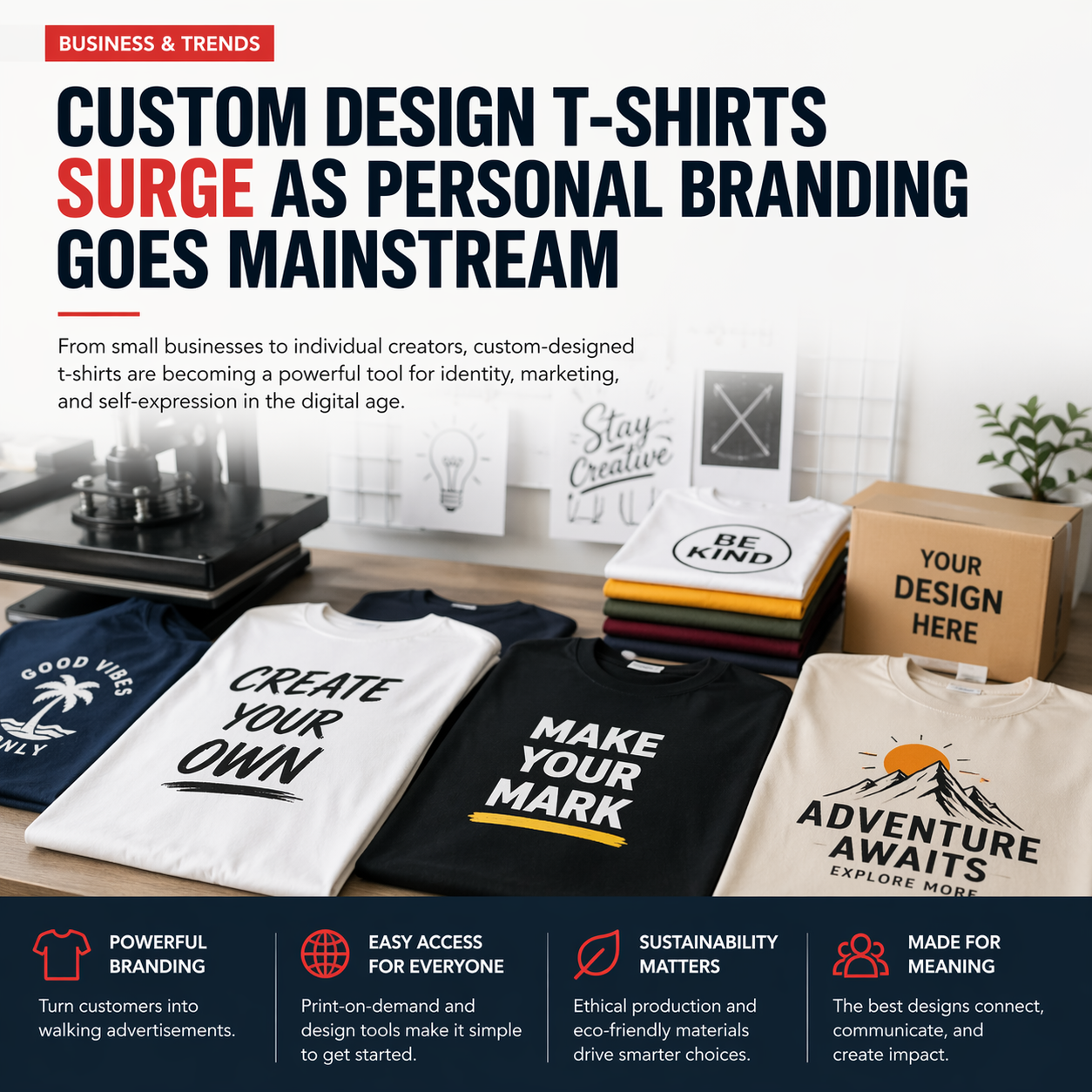
From small businesses to individual creators, custom-designed t-shirts are becoming a powerful tool for identity, marketing, and self-expression in the digital age.
The demand for custom design t-shirts has seen a sharp rise in recent years, driven by the growing importance of personal branding and niche communities. What was once limited to corporate merchandise and event giveaways has evolved into a mainstream channel for creativity, storytelling, and even entrepreneurship.
Consumers are no longer satisfied with generic apparel. Instead, they are actively seeking designs that reflect their identity, beliefs, and affiliations. Whether it's minimalist typography, bold graphic art, or culturally inspired prints, custom t-shirts allow individuals to communicate without saying a word.
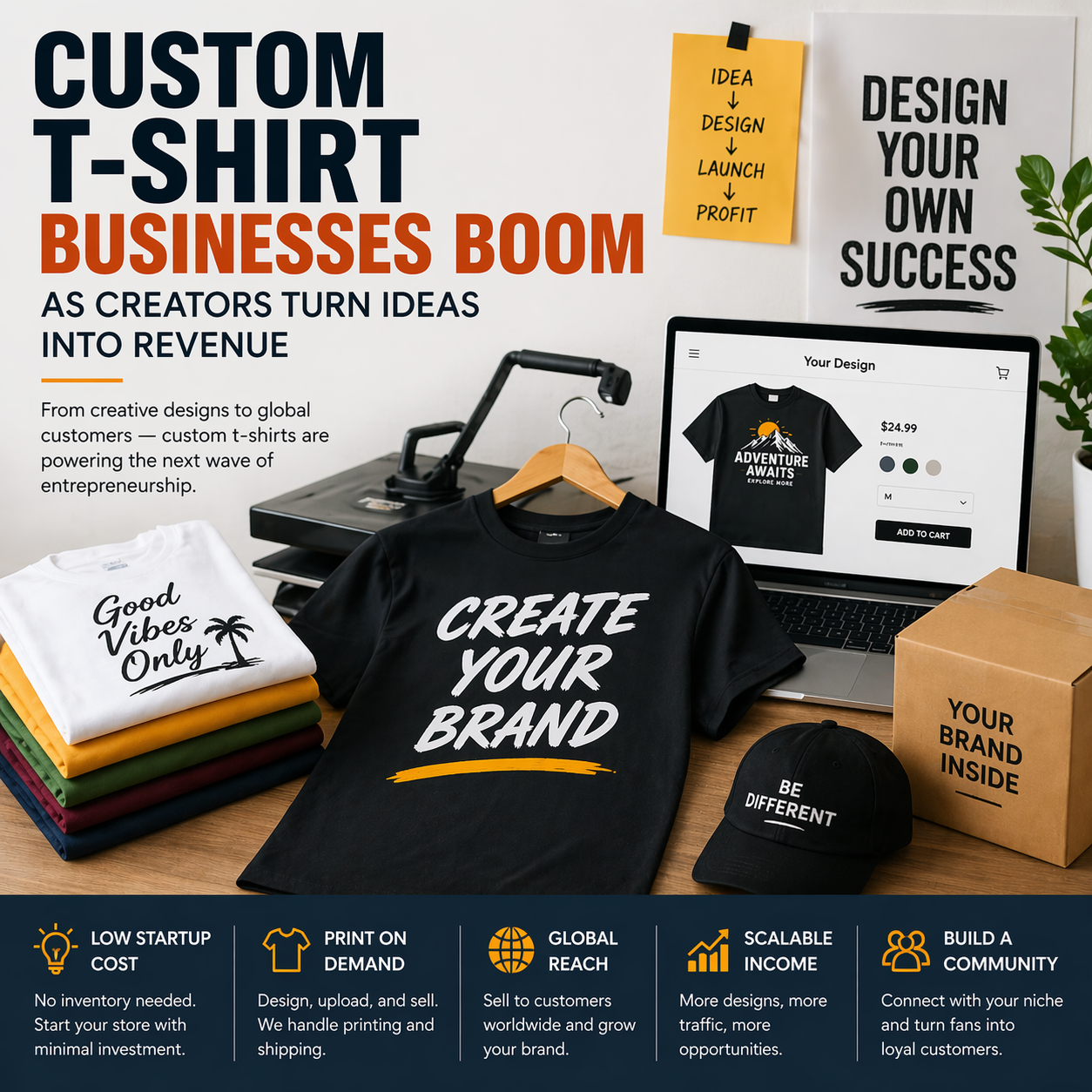
For businesses, the shift is even more strategic. Startups and small brands are increasingly using custom apparel as a low-cost marketing tool. A well-designed t-shirt doesn’t just promote a brand — it turns customers into walking advertisements. Unlike digital ads that disappear in seconds, physical merchandise creates long-term visibility and brand recall.
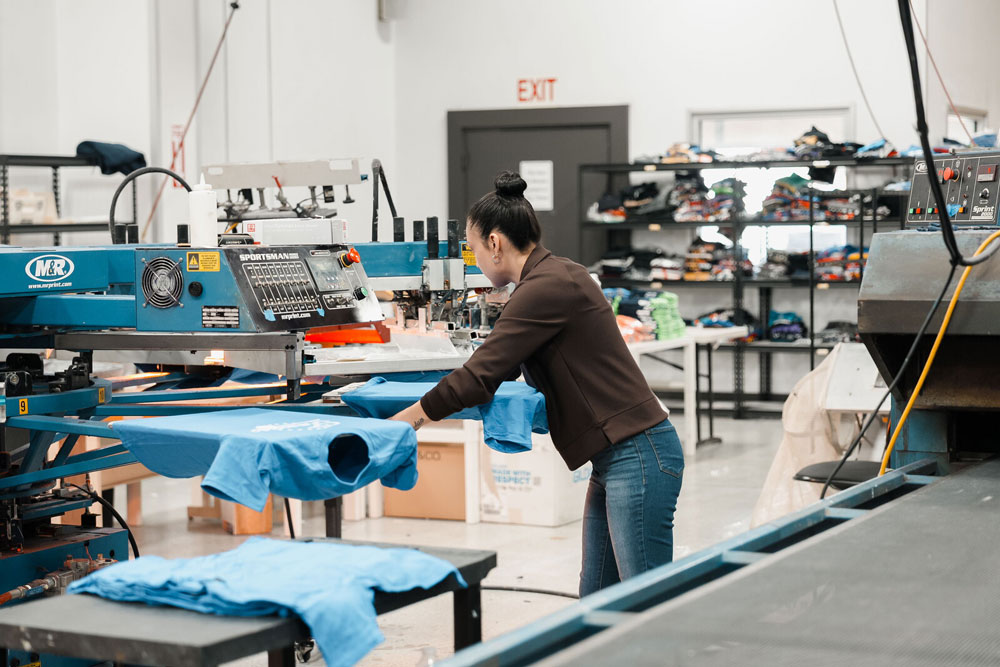
Technology has played a major role in accelerating this trend. Print-on-demand services and online design platforms have significantly lowered the barrier to entry. Anyone with a concept can now launch a t-shirt line without holding inventory or investing heavily upfront. This has led to a surge of micro-brands targeting highly specific audiences, from fitness communities to fandom groups.
However, the market is getting crowded — and that’s where most people get it wrong. Slapping a random design on a t-shirt and expecting sales is a losing game. The brands that are winning are those that understand their audience deeply and create designs with intent, not guesswork. Quality, storytelling, and positioning now matter far more than just aesthetics.
Sustainability is also becoming a deciding factor. Consumers are increasingly questioning how their clothing is produced. Ethical sourcing, eco-friendly materials, and transparent production processes are no longer optional — they are expected.
Looking ahead, custom t-shirts are likely to remain a strong segment within the apparel industry, especially as personalization continues to dominate consumer behavior. But the winners won’t be those who simply follow trends. They’ll be the ones who build meaning into their designs and treat every piece of clothing as a message, not just a product.
If you're thinking this is an easy side hustle, you're underestimating the competition. This space rewards clarity, not randomness. Either you build a brand with purpose, or you get buried under thousands of identical designs.